Biomedical Research

Subcutaneous Drug Delivery Device Investigations

My Drug Delivery Research: Cannula Design Optimization for a Novel Subcutaneous Pellet Delivery Device (PDD)

Introduction

My research focuses on the optimization of an innovative tulip tip cannula design for a new subcutaneous pellet delivery system.

The system is called the IntelliPelle and was invented by Dr. Mishail Shapiro, DO, ENT/FPS, FAOCO-HNS. My research is being conducted under Dr. Shapiro’s supervision.

The IntelliPelle is a novel device for subcutaneous placement of pellets. Pellets or otherwise known as “pellet therapy” is a procedure for subcutaneous placement of medications by a medical professional for a variety of issues.

For example, both biosimilar and bioidentical hormone replacement therapy utilizes subcutaneous pellet placement as the preferred delivery method when compared to oral and injectable administration. Opioid, antibiotic, diabetes, and cardiac treatments may soon become available in a subcutaneous tissue delivery method as well.

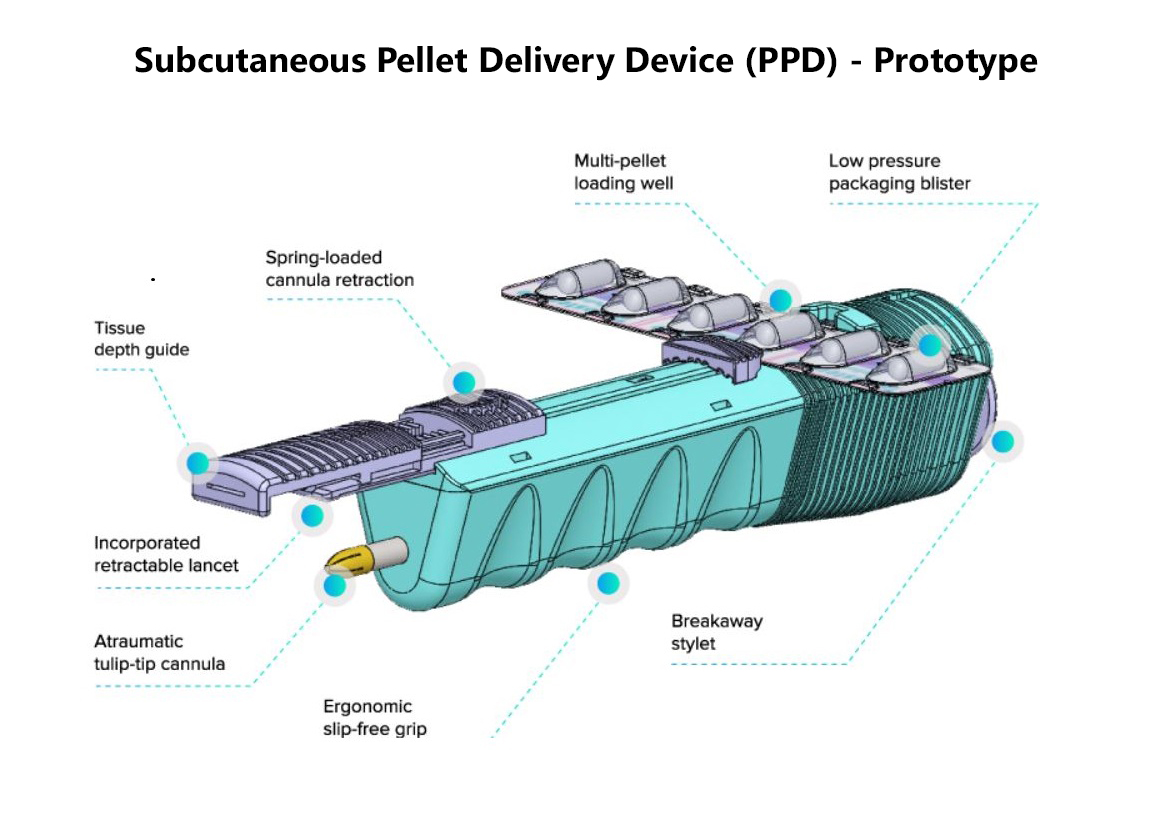
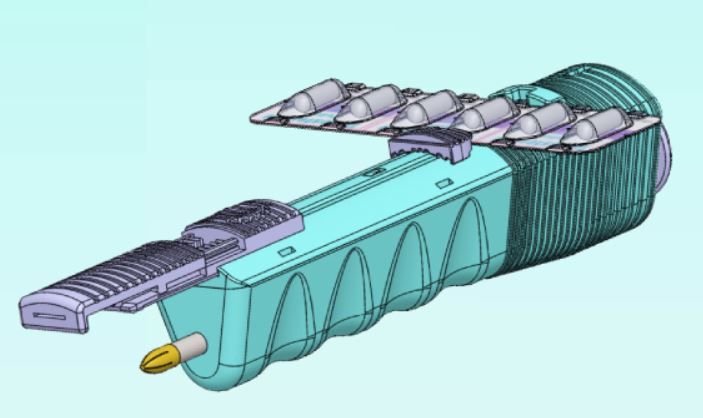
Below is a 3D rendering of the pellet delivery device (PDD) with detail showing the new Tulip Tip Cannula location.
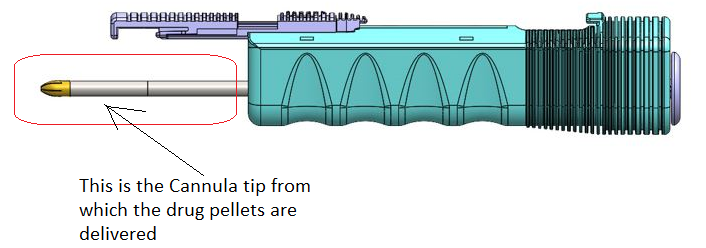

Cannula Tip Variations:(patent pending)

Drug Delivery Systems

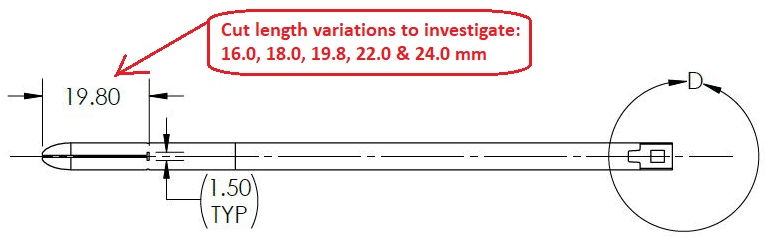
Cut Length Variation Diagram

Drug Delivery Systems

Research Specifics:

I am investigating the effect of various Tulip Tip cannula geometries to determine the optimum configuration for subcutaneous pellet delivery.

Current and future variable investigation will include:

  • Cannula tip physical effects regarding pellet damage
  • Cannula tip rigidity testing during pellet placement
  • Force required for pellet delivery

Geometry Variations:

The diagram to the left shows the various cut lengths of the Tulip Tip design that I am currently investigating.

  • If the cut length is too short, pill damage that will affect drug absorption.
  • If the cut length is too long the tip will become flimsy resulting in deformation during pellet delivery

Experimental & Current Status

I am designing experimental testing instruments & procedures to evaluate:

  • Cannula tip physical effects associated with pellet damage
  • Residual drug presence after pellet placement
  • Cannula tip rigidity testing during pellet placement
  • Force required for pellet delivery
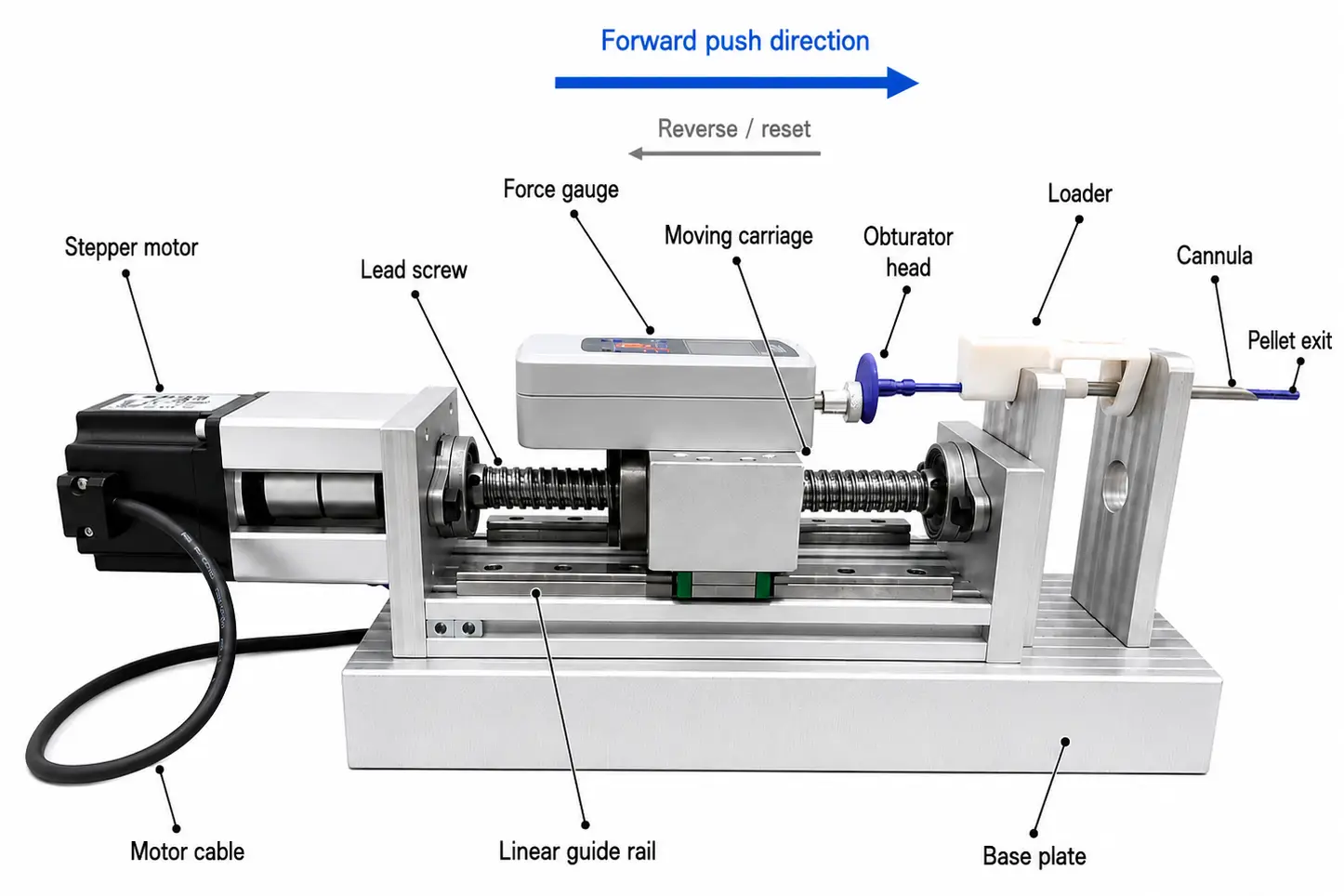
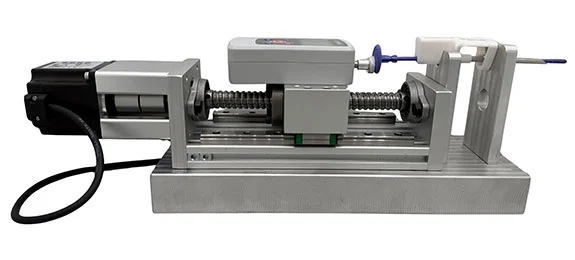
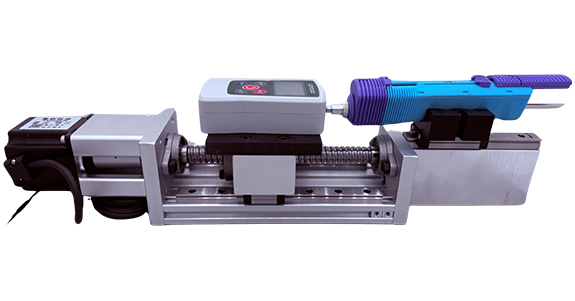
Cannula Test Rig

Pellet Delivery Cylinder with

Cannula and Obturator

Cannula Test Rig

Test Rig for Cannula Evaluation & Validation

Designed & Constructed by Emma Fiocchi

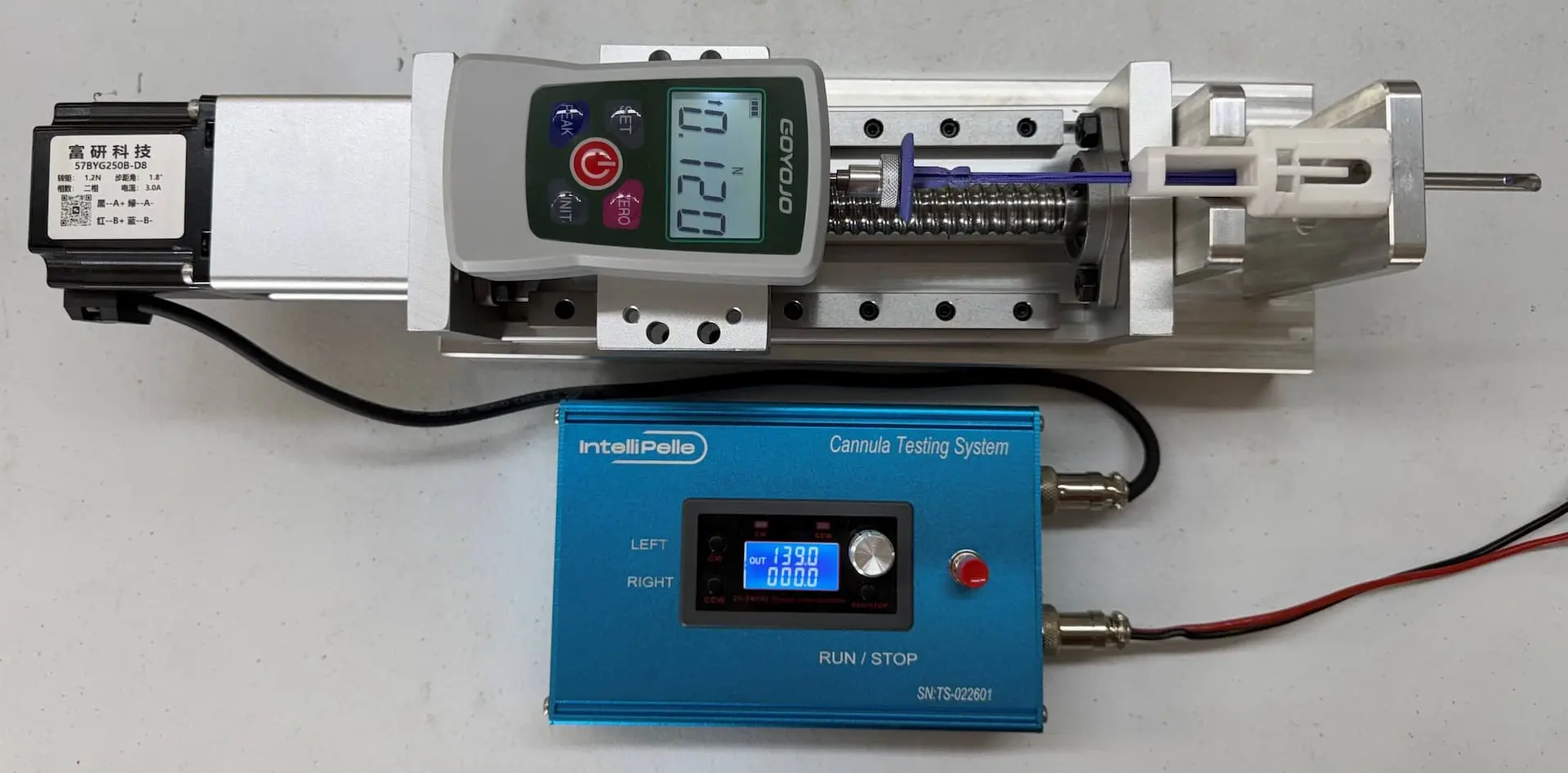
Gel Block Testing System for the Pellet Delivery Device (PDD)

Current Status:

  • I have designed the testing system.
  • I have built the system based on my initial design.
  • System designed to be GLP-compliant, covering all IQ/OQ/PQ FDA design requirements.
  • I have validated the testing system per protocols required to meet FDA 21 CFR 820.75(a) standards.
  • Currently evaluating the complete pellet delivery device (PDD) for drug pellet deliver into Gel Blocks that simulate subquetaneouns human tissue.
Cannula Test Rig

Gel Block Testing System for PDD

Designed & Constructed by Emma Fiocchi

Summary

I find scientific research fascinating, challenging and rewarding. It is my hope that my research will help doctors deliver drugs more effectively along with helping to heal the sick and save lives.

Future Research & Interests

I hope to continue my research in biomedical drug delivery by investigating:

  • Antibiotic pellet absorption in subcutaneous tissue.
  • Feasibility of the IntelliPelle PDD for field use with regards to subcutaneous antibiotic pellet placement for Tactical Combat Casualty Care in order to prevent wound infection.

Innovations in Drug Delivery Research

Nanotechnology

  • Nanoparticles: Encapsulate drugs for controlled release and tumor targeting.
  • Nanosensors: Monitor drug levels in real-time for dosage adjustments.

Smart Drug Delivery Systems

  • pH-sensitive hydrogels: Release drugs only at specific pH sites, e.g., tumor environment.
  • Temperature-responsive systems: Release drugs under localized heat.

Biologics and Targeted Delivery

  • Antibody-drug conjugates (ADCs): Deliver drugs directly to cancer cells, reducing systemic toxicity.
  • Viral vectors: Gene therapy delivery to cells for genetic disorders.
Innovations in Drug Delivery

The Role of 3D Printing

  • Personalization: Patient-specific dosages and drug combinations.
  • Complex geometries: Porous scaffolds for sustained release.
  • Rapid prototyping: Accelerates research and development.

Challenges & Future Directions

  • Regulatory hurdles delaying approvals.
  • Manufacturing scalability limits adoption.
  • Patient acceptance for invasive or specialized methods.

Future Trends

  • AI integration for optimizing formulations and predicting patient response.
  • Wearable drug delivery devices for continuous administration.
  • Biodegradable and sustainable materials for drug delivery systems.

Conclusion: Innovations like nanotechnology, smart systems, and 3D printing are transforming drug delivery. These advancements promise safer, more effective, and personalized treatments that will reshape healthcare.